

Maramureș
Northern Romania's most traditional corner: UNESCO wooden churches, the colourful Merry Cemetery, and villages where haystacks and carved wooden gates are still part of daily life. For next steps, send a trip enquiry with the stays and pace you have in mind.
In a nutshell
Maramureș is Romania's most traditionally rural corner: a cluster of river valleys and mountain villages near the Ukrainian border where wooden architecture, folk costume, and farming rhythms have endured longer than almost anywhere else in the country.
Best time to go
May-September for open roads, working farms, and full village life. The Vaser Valley steam train runs (seasonally) from late spring into autumn.
Signature experiences
- UNESCO wooden churches
- Săpânța's Merry Cemetery
- Vaser Valley steam train
- Traditional villages & carved gates
Practicalities
Maramureș sits apart from the rest of Romania, reached via Cluj-Napoca or Baia Mare. We build in realistic transfer time and a driver who knows the valley roads.
Daily life, not a display of it
Horse-drawn carts still share the road with cars, hay is cut and stacked by hand, and every farmhouse has its own carved wooden gate. We build in time to simply drive slowly and take it in.

Why go
Where Transylvania offers fortified towns and Bucovina offers painted monasteries, Maramureș offers something closer to daily life as it has long been lived: steep-roofed wooden churches still used for regular worship, hand-carved gates at every farmhouse, and a landscape shaped by hay meadows rather than tour buses.
What you'll experience
Wooden church heritage
Eight UNESCO-listed churches within reach, with soaring shingled roofs and slender spires among the tallest wooden structures in Europe.
Village life, still lived
Carved wooden gates, haystacks, and working farms along the Iza, Mara, and Cosău valleys.
A different kind of memory
Săpânța's playful Merry Cemetery and Sighetu Marmației's solemn communism memorial sit close together, one joyful and one sobering.
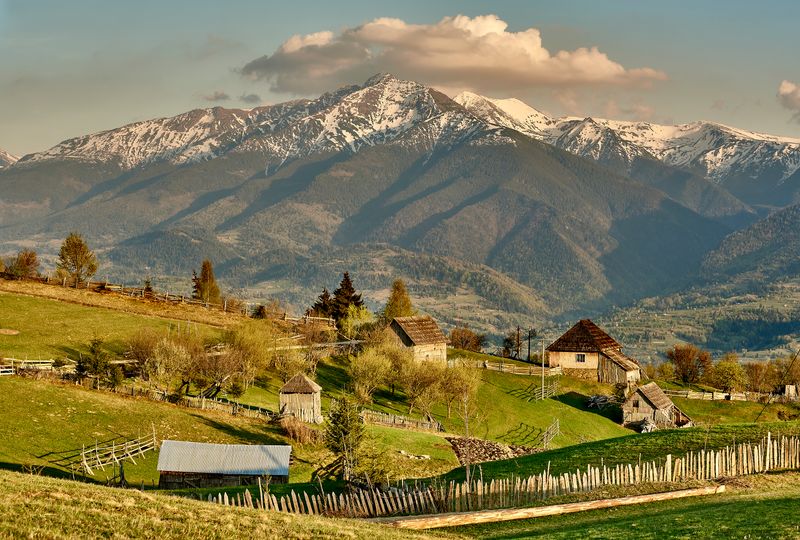
The Carpathians in Maramureș
Maramureș's northern edge, accessed from Borșa, climbs into the Rodna Mountains, home to the Eastern Carpathians' highest peak and some of its only glacial lakes, a genuine high-mountain contrast to the region's valley villages.
Food & Cuisine in Maramureș
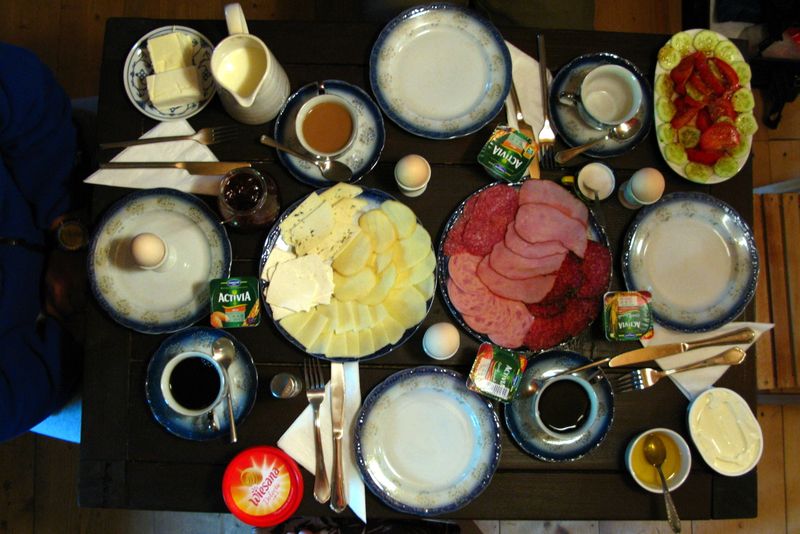
A smokehouse table of home-cured meats, layered polenta, and horincă, a fierce plum spirit unique to the region. See the cross-region Food & Markets guide for how this fits a wider culinary route.
A calm 4-6 day plan
Maramureș works best with one main village base, so you settle in rather than relocate every day or two.
- Days 1-2: settle into a village base (Breb, Botiza, or the Iza valley), visit two or three wooden churches at an easy pace, and walk the lanes between carved gates.
- Days 3-4: Săpânța's Merry Cemetery, the Sighetu Marmației memorial museum, and, seasonally, a ride on the Vaser Valley steam train from Vișeu de Sus.
- Days 5-6 (optional): a slower finish at the Ocna Șugatag salt lakes, or drive the scenic Prislop Pass toward Bucovina to continue the route north-east.
We choose three or four wooden churches rather than all eight, so each visit gets proper time instead of becoming a checklist.
Comfort-first routing
Valley roads are scenic but slow, so we plan realistic transfer windows and pair the region with a driver who knows the villages worth stopping in.

Practical notes
- Season: May-September is easiest; the Vaser Valley steam train is seasonal and doesn't run daily, so we check schedules ahead.
- Roads: valley roads are narrow and slow going; distances take longer than the map suggests.
- Churches: most wooden churches are kept locked outside services, with a local caretaker holding the key; we pre-arrange visits or use a local guide, and modest dress is appreciated.
- Food: hearty and rustic, with plum brandy (horincă), sour soups, and cabbage dishes; see our food guide.
- Pairing: combine with Bucovina via the Prislop Pass, or Transylvania via Cluj.
How we plan your time here
The wooden churches are living places of worship, so we plan visits respectfully: pre-arranged access where needed, clear etiquette, and enough time to take in the painted interiors without feeling rushed.
Fewer stops, more time
The biggest planning mistake in Maramureș is trying to fit all eight UNESCO churches into one short stay. The experience is stronger with three or four, each given proper time, alongside a village walk and one signature stop like the Merry Cemetery.
Pairing and pacing
Maramureș sits in the far north, so sequencing matters. The Prislop Pass gives a natural, scenic link onward to Bucovina, while Cluj-Napoca is the more reliable gateway if arriving from or continuing to Transylvania.
Season and logistics
Maramureș feels genuinely remote, so logistics matter more here than in most regions. We plan arrival to avoid fatigue, usually routing via Cluj-Napoca rather than Baia Mare's smaller, limited-connection airport.
- Best season: May through September, with a golden, quieter light in early autumn.
- Stays: we favour small guesthouses restored in the local style, with warm hospitality and home-style cooking.
- With children: we keep sightseeing light, with simple hands-on moments like the steam train and salt-lake swimming.
- Trip length: three nights is a practical minimum; four to five nights feels properly unrushed.

Frequently asked planning questions
Do we need to visit all eight UNESCO wooden churches?
No. Most guests enjoy three or four unhurried visits far more than eight rushed ones. We choose a mix based on your route and interests.
Are the wooden churches always open?
Most are kept locked outside services, with a local caretaker holding the key. We pre-arrange access or use a local guide so visits are reliable, not left to chance.
How remote is Maramureș really?
It is genuinely one of Romania's more remote regions, usually reached via Cluj-Napoca or Baia Mare. We build in realistic transfer time rather than treating it as a quick add-on.
Plan with confidence
After your enquiry, we prepare a bespoke draft itinerary with the right pace, stays, and logistics for this region. You review every detail with Clara’s team before anything is confirmed.
No rushed decisions, no template plans - just calm, specialist guidance from a UK-based Romania team.
Related reading
Compare best time to visit Romania, how many days in Romania, and driver vs self-drive, or start with Romania: Carpathian Garden for the big-picture route. See sample Romania itineraries for route inspiration, or pair Maramureș with Bucovina.